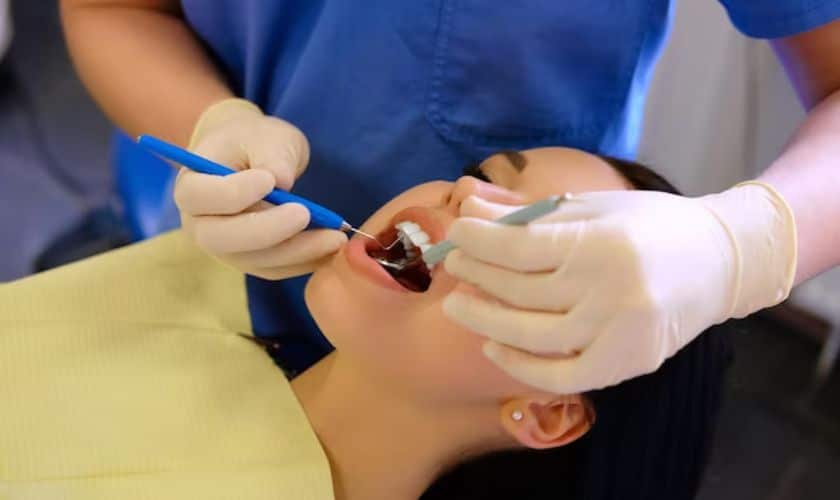
From Pain to Relief: How Apicoectomy Can Save Your Teeth in New York
We will always work hard to give you the best possible experience and highest standard of care.

Welcome to our blog post all about the incredible Apicoectomy procedure! If you’ve been suffering from tooth pain and are looking for a solution to save your teeth, then you’re in the right place. We understand how debilitating dental pain can be, but fear not – with an Apicoectomy in New York, relief is just around the corner. In this article, we will delve into what exactly an Apicoectomy is, when it becomes necessary, and how this cutting-edge procedure can restore your oral health. So sit back, relax, and get ready to discover a world of pain-free smiles!
What is an Apicoectomy?
Apicoectomy, also known as root end surgery, is a dental procedure that aims to save a tooth by removing infected tissue from the tip of its roots. It is typically performed when other treatments such as root canals or antibiotics have failed to eliminate the infection.
During an Apicoectomy, your skilled dentist or endodontist will make a small incision in the gum tissue near the affected tooth. This allows them access to the underlying bone and infected area. The tip of the tooth’s root is then carefully removed along with any surrounding inflamed or infected tissue.
Once this diseased tissue has been excised, your dentist will clean and seal off the root canal before suturing the gums back into place. This ensures that there are no openings for bacteria to re-enter and cause further infection.
With advances in technology and techniques, Apicoectomies can now be performed using minimally invasive methods. This means smaller incisions and reduced discomfort during recovery compared to traditional approaches.
It’s important to note that an Apicoectomy is not always necessary for every case of persistent tooth pain or infection. Your dentist will assess your condition thoroughly before recommending this procedure as a viable treatment option.
By addressing infections directly at their source – the tips of your teeth’s roots – an Apicoectomy offers hope for saving compromised teeth that might otherwise require extraction. It provides patients with a chance to maintain their natural smile while alleviating pain and preventing further complications down the road.
When is an Apicoectomy Necessary?
Have you been experiencing persistent pain or discomfort in your tooth despite undergoing a root canal treatment? It can be frustrating and concerning when conventional treatments fail to provide the relief you need. In such cases, an apicoectomy may be necessary.
An apicoectomy is a surgical procedure performed by an endodontist to treat infections or inflammations that persist after a root canal treatment. This procedure involves removing the infected tip of the tooth’s root, known as the apex, along with any surrounding infected tissue.
There are several reasons why an apicoectomy may be necessary. It could be due to complex anatomy that prevents proper cleaning and shaping of the root canals during initial treatment. It may be needed if there are curved or blocked canals that make it difficult for traditional techniques to effectively clean and seal the roots.
Another common reason for needing an apicoectomy is if there has been a reinfection of the tooth following previous root canal therapy. This could occur due to cracks in the tooth roots or undetected accessory canals that were not addressed during initial treatment.
In some cases, patients may also experience persistent symptoms such as pain, swelling, or sinus tract formation even after successful completion of a root canal treatment. These symptoms indicate ongoing infection or inflammation in the area around the treated tooth and necessitate further intervention through an apicoectomy.
It’s important to consult with your dentist or endodontist if you’re experiencing any prolonged discomfort associated with previously treated teeth. They will evaluate your condition and determine whether an apicoectomy is necessary to address underlying issues and alleviate your symptoms effectively.
Remember: early detection and prompt intervention are key in preserving your natural teeth!
The Procedure
During an apicoectomy, also known as root end surgery, a dental surgeon removes the infected or inflamed tissue at the tip of the tooth’s root. This procedure is typically performed when a root canal treatment has failed to completely resolve the issue.
Before beginning the procedure, your dentist will administer local anesthesia to ensure you are comfortable throughout. Once numbed, a small incision is made in your gum tissue near the affected tooth. The dentist then accesses and examines the underlying bone and removes any infected or damaged tissue.
Next, using specialized instruments, they carefully remove the tip of the tooth’s root and shape it to facilitate healing. To prevent further infection and promote proper sealing of the area, a small filling material called gutta-percha is placed in the newly created space.
Your dentist will close up with sutures that dissolve over time. In some cases, they may place a temporary crown on top for added protection while healing takes place.
Overall,a thorough understanding of this procedure can help alleviate any concerns you may have before undergoing an apicoectomy in New York City!
Pain Management
Pain management is a crucial aspect of any dental procedure, including an apicoectomy. As with any surgical procedure, some level of discomfort may be expected during the recovery process. However, dentists in New York prioritize patient comfort and utilize various techniques to minimize pain and promote healing.
Immediately after the apicoectomy, patients may experience mild to moderate discomfort, swelling, and bruising around the treated area. Dentists typically prescribe pain medication to help manage this initial post-operative pain. It’s important for patients to follow their dentist’s instructions regarding medication dosage and timing.
In addition to medication, dentists often recommend applying ice packs on the outside of the mouth near the surgical site. This can help reduce swelling and provide temporary relief from pain.
Patients should also adhere to a soft food diet for several days following the procedure. Avoiding hard or chewy foods can prevent unnecessary strain on the surgical area and alleviate potential discomfort.
Maintaining good oral hygiene practices is essential during recovery as well. Dentists usually advise gentle brushing and rinsing with saltwater solution multiple times a day to keep the area clean without causing irritation.
It’s normal for patients to experience some sensitivity in their teeth or gums during healing. Using toothpaste designed for sensitive teeth can help reduce discomfort while brushing.
Remember that everyone’s pain tolerance varies, so what one person experiences may differ from another individual’s experience after an apicoectomy in New York. If you have any concerns about your level of pain or if it persists beyond what was discussed with your dentist beforehand, don’t hesitate to reach out for guidance and reassurance.
Answers to Frequently Asked Questions
- What is the success rate of an apicoectomy procedure?
The success rate of an apicoectomy procedure is generally high, with studies showing success rates ranging from 85% to 95%. However, it’s important to note that individual results may vary depending on various factors such as the complexity of the case and the skill of the endodontist performing the procedure.
- How long does it take to recover from an apicoectomy?
Recovery time can vary from person to person, but most individuals can expect some discomfort and swelling for a few days following the procedure. It typically takes about a week or two for complete healing, during which you may be advised to avoid strenuous activities and stick to a soft food diet.
- Is an apicoectomy painful?
During the actual procedure, local anesthesia will be used to numb your mouth, so you won’t feel any pain. Afterward, there might be some mild discomfort or soreness in the treated area, but this can usually be managed effectively with over-the-counter pain medication prescribed by your endodontist.
- Are there any risks associated with an apicoectomy?
As with any surgical procedure, there are some potential risks involved with an apicoectomy. These include infection at the surgical site or damage to nearby structures such as nerves or blood vessels. However, these complications are rare and can often be prevented by choosing a skilled and experienced endodontist.
- Can I still have an apicoectomy if I have dental implants?
In most cases where dental implants are present near a tooth requiring treatment, it would not be necessary or appropriate to perform an apicoectomy since implants provide their own support system for artificial teeth. Your endodontist will assess your specific situation and recommend suitable alternatives if needed.
Remember that every individual’s circumstances may differ when considering whether an apicoectomy is right for them. It’s always best to consult with a qualified endodontist who can provide.
If you are experiencing persistent pain in your tooth despite undergoing traditional root canal treatment, an apicoectomy may be the solution to save your tooth from extraction. This minimally invasive procedure can effectively remove infected tissue and provide long-lasting relief.
By seeking out a skilled oral surgeon or endodontist in New York who specializes in apicoectomies, you can ensure that you receive the highest quality care and achieve optimal results. Remember to discuss any concerns or questions with your dental professional before deciding on this treatment option.
While an apicoectomy may not be necessary for every patient who has undergone a root canal, it is important to recognize the potential benefits it offers when other treatments have been unsuccessful. With advancements in technology and techniques, this procedure continues to provide patients with newfound comfort and restored oral health.
If you believe that an apicoectomy may be right for you, consult with a qualified professional who can assess your individual case and guide you towards the best course of action. Don’t let tooth pain hold you back—take control of your oral health today!